CO CITY

Concrete Repair & Epoxy Flooring in Boulder, CO

Concrete Doctor has been serving Boulder and the surrounding Front Range since 1994, bringing a repair-first philosophy to driveways, garage floors, patios, and commercial slabs across Boulder County. We understand that replacing sound concrete is often unnecessary — the right repair system extends the life of your existing slab by decades. Whether you're in a historic Mapleton Hill Victorian or a newer home near Gunbarrel, we have the materials and experience to get it done right.
Concrete in Boulder: What to Know

Boulder sits at the base of the Rocky Mountain foothills at roughly 5,430 feet in elevation, which means concrete here takes a beating that flatland contractors simply don't prepare for. The city experiences an intense high-altitude UV index that accelerates surface oxidation and chalking on unprotected slabs, while winter brings dozens of freeze-thaw cycles — water infiltrates surface cracks, freezes, expands, and widens those cracks each time. That cycle is relentless on North Boulder driveways and East Boulder commercial lots alike. The soils beneath Boulder's neighborhoods add another layer of complexity. Expansive bentonite and clay soils are widespread across Boulder County, particularly in older neighborhoods between Folsom Street and the base of the Flatirons. These soils swell when wet and shrink when dry, transmitting upward and lateral pressure to concrete slabs that can cause dramatic heaving, settlement, and diagonal cracking. New construction near 28th Street and the Diagonal Highway corridor encounters this same expansive soil profile regularly. Boulder's progressive maintenance culture and high concentration of owner-occupied homes — many built between the 1950s and 1980s — means residents actively invest in preserving their properties rather than tearing them out. University Hill bungalows, Pearl Street-area commercial buildings, and the newer mixed-use developments near 29th Street all have distinct concrete needs, but share the same Colorado climate reality: protect the slab before the elements claim it.

Boulder's Freeze-Thaw Reality and What It Costs Unprotected Concrete

Boulder can see fifty or more freeze-thaw cycles between October and March. Each cycle pushes moisture deeper into micro-fissures and hairline cracks, and when that moisture freezes it expands roughly nine percent by volume. Over three or four winters, a hairline crack becomes a quarter-inch gap, and a quarter-inch gap becomes a chunk of displaced slab. The magnesium chloride de-icers applied across Boulder streets and parking lots compound the damage — they lower the freezing point of water, which actually increases the number of freeze-thaw events a slab endures in a single storm cycle. The good news is that most freeze-thaw damage is repairable without full slab demolition. Concrete Doctor uses elastic polyurethane crack and joint repair products designed specifically for climates where movement is constant and cracks are dynamic rather than static. We assess whether a slab can be stabilized, resurfaced, and sealed versus whether it has deteriorated past the point of economical repair — and we give you an honest answer either way.

Expansive Soils Beneath Boulder Neighborhoods — A Concrete Problem Unique to the Front Range

Homeowners in South Boulder near Table Mesa, in the Newlands neighborhood north of campus, and along the older streets of Martin Acres routinely deal with concrete that heaves, settles unevenly, or develops diagonal tension cracks at slab corners. These aren't construction defects — they're the predictable result of building on the expansive clay and bentonite soils that underlie much of Boulder County. When spring snowmelt saturates the subgrade, slabs lift. When a dry September follows, they sink back down — but rarely to exactly where they started. Concrete Doctor evaluates soil-driven movement before recommending a repair approach. If the underlying movement has stabilized, a targeted crack repair and resurfacing system locks out moisture and prevents further degradation. If active heaving is still occurring, we'll be upfront that surface repair alone won't solve the root cause and help you understand what options exist. That honesty is part of what has kept us in business across the Front Range for over thirty years.

Garage Floors, Patios, and Driveways: Boulder's Most Common Concrete Repair Projects

The typical Boulder residential property has a two-car garage with a slab that's seen twenty-plus years of road salt tracked in from Canyon Boulevard or Baseline Road. Surface scaling — where the top layer flakes away in thin sheets — is the most common result, and it worsens quickly once it starts. Garage floor coatings with a proper profile prep stop the scaling cycle and give homeowners a durable, cleanable surface that holds up against the tracked-in moisture and chemicals that define a Colorado garage. Outdoor patios in Boulder face the additional punishment of intense UV at elevation. An unprotected concrete patio in the Chautauqua or Shanahan Ridge neighborhoods can fade, chalk, and develop surface crazing within five to seven years of installation. A quality penetrating sealer or polyaspartic topcoat dramatically extends service life and keeps the surface looking intentional. Driveways along the steeper lots near the Flatirons foothills area face both freeze-thaw stress and runoff erosion at the apron — two issues we address routinely with resurfacing and edge stabilization.

Frequently Asked Questions

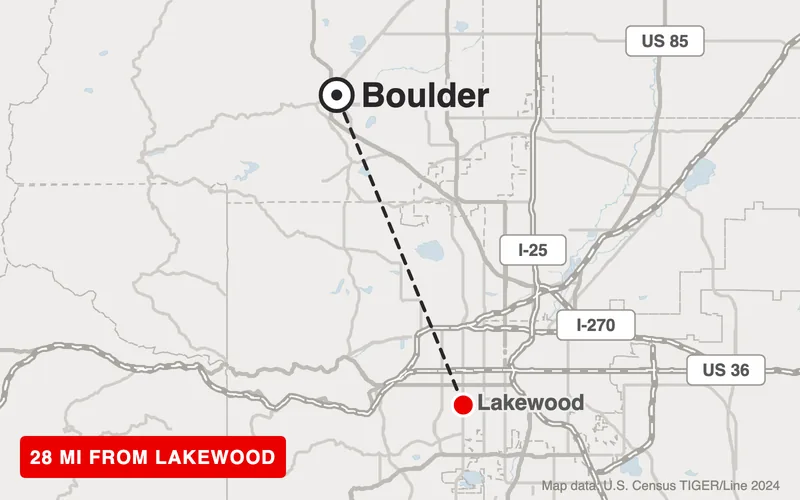
We're based in Lakewood, about 20 miles southeast of Boulder via US-36 or Highway 93. For most Boulder jobs we can schedule a free on-site estimate within a few business days and have crews on-site within one to two weeks depending on the scope of work and season. Call (303) 988-2558 to set something up.
Yes — Boulder's combination of expansive bentonite soils and high-altitude freeze-thaw cycling makes heave cracking and corner displacement more common here than in, say, Aurora or Thornton, which sit on more stable substrates. The intense UV at 5,400 feet also accelerates surface breakdown on unsealed concrete faster than lower-elevation cities. We factor these local conditions into every repair and coating recommendation.
In the majority of cases, repair is the right answer. If the structural base is intact and the damage is limited to surface scaling, cracks, or isolated spalling, resurfacing and crack repair can add many years of service life at a fraction of replacement cost. We'll give you an honest assessment at the free estimate — Concrete Doctor doesn't benefit from selling you more work than you need.
We handle both. Boulder's commercial corridor — from the Pearl Street retail district to the tech and biotech campuses near Foothills Parkway — has significant concrete repair and epoxy flooring needs, and we have the equipment and crew capacity to work in those environments. Contact us to discuss scheduling around your business hours.
For outdoor surfaces, penetrating sealers and UV-stable polyaspartic topcoats perform best given Boulder's high-altitude UV and freeze-thaw exposure. For garage and basement interiors, polyaspartic and epoxy-quartz systems from our Westcoat line are well-suited to the moisture and thermal fluctuations Colorado garages experience. We'll match the system to your specific surface and use case.

Need Concrete Repair in Boulder?

Get a free on-site estimate from Concrete Doctor — serving Boulder, CO and the greater Denver metro since 1994.

Repair first. Replacement only when necessary.