CO CITY

Concrete Repair & Epoxy Flooring in Denver, CO

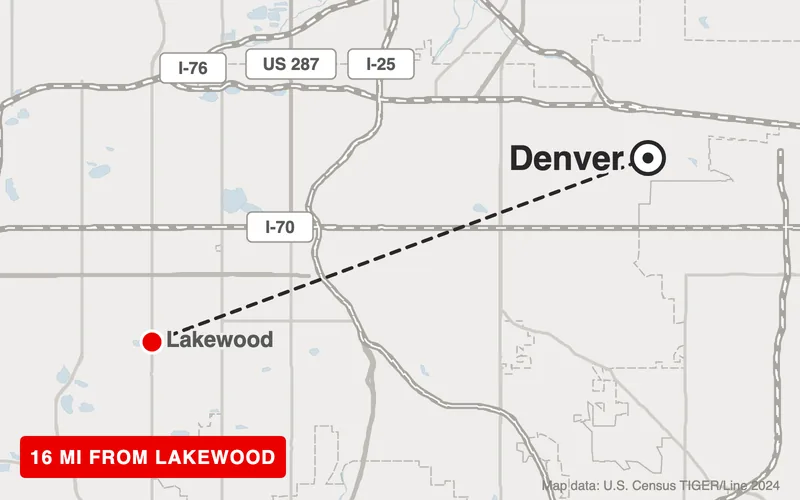
Concrete Doctor has been the Front Range's repair-first concrete specialist since 1994, and Denver properties make up a significant share of the work we do every season. From Capitol Hill bungalows to RiNo warehouse lofts and Stapleton-area townhomes, we assess the actual damage before ever recommending replacement. Our Lakewood shop is about nine miles from downtown Denver — close enough to be on-site fast, experienced enough to know exactly what Denver's concrete goes through every year.
Concrete in Denver: What to Know

Denver sits in Denver County at roughly 5,280 feet, and that elevation changes everything about concrete durability. The city averages more than 300 days of sunshine annually — intense high-altitude UV that breaks down sealers and surface compounds far faster than at lower elevations. That same sun can push pavement surface temperatures to 130°F on a July afternoon, only to drop back toward freezing on a cold front that rolls in by evening. The daily and seasonal swings are relentless, and every one of them works against the integrity of untreated or aging concrete. Beneath Denver's streets and slabs lies one of the most problematic soil profiles in the region. The expansive clay and bentonite deposits that run under much of the metro — particularly through older neighborhoods like Park Hill, Barnum, and West Denver — absorb moisture and swell, then dry out and contract. That heave-and-settle cycle pushes slabs up unevenly, opens cracks along control joints, and separates steps from their foundations. Pile on the magnesium chloride that Denver Public Works spreads heavily on roads and sidewalks each winter, and you have a chemical de-icer that wicks into concrete's pore structure and accelerates spalling and surface scaling. Denver's housing stock spans more than a century — Victorian-era homes in Washington Park, mid-century ranches in Harvey Park, and new construction all the way out to the Montbello corridor. Each era comes with its own concrete conditions: older slabs poured without modern fiber reinforcement, mid-century driveways experiencing their first major reseal failures, and newer flatwork exposed to the same climate stresses from day one. Concrete Doctor understands that history and brings the right repair strategy to each property.

Why Denver's Freeze-Thaw Cycles Accelerate Concrete Damage

Denver experiences far more freeze-thaw cycles per winter than most people expect. A single week in January might cycle through freezing overnight temperatures and afternoons in the low 50s five or six times. Each cycle forces water that has infiltrated the concrete's surface to expand roughly nine percent as it freezes — and that expansion cracks or pops off the surrounding matrix from within. By late February, driveways and patios that looked fine in October show fresh spalling, corner flaking, and hairline cracks that weren't there before the first snow. The problem compounds quickly when magnesium chloride is in the picture. Denver roads and parking areas receive heavy mag chloride applications through the winter, and vehicle tires track it directly onto garage floors and covered patios. Mag chloride is hygroscopic — it draws moisture into concrete even in cold, dry weather — and it lowers the freezing point in ways that keep concrete wet longer through cold cycles. Sealing concrete surfaces before winter, and resealing every few years, is the single most effective way to interrupt this damage pattern. We match the right penetrating or film-forming sealer to Denver's actual exposure conditions.

Denver's Expansive Soils: What They Do to Flatwork

The bentonite clay belt that runs through much of Denver County is a unique challenge. When spring snowmelt or irrigation water saturates this clay, it can expand by a factor of fifteen or more. That expansion has nowhere to go but up, which means concrete slabs sitting on it heave unevenly — one side rises while the other stays put, creating the trip hazards and drainage problems that are so common in Denver's older residential neighborhoods. A slab that has heaved and settled repeatedly often doesn't need replacement — it needs a qualified assessment. Concrete Doctor evaluates whether a slab can be lifted, releveled, or repaired with elastic polyurethane joint fillers before ever discussing a pour. In many cases in neighborhoods like Berkeley, Globeville, and Athmar Park, we can restore function and appearance at a fraction of the cost of a full demolition and replacement. When replacement is the right call, we'll say so honestly and handle that too.

Commercial and Residential Service Across Denver County

Denver County is a single-city county — the city and county are the same jurisdiction — which means we see every kind of property type in a compact geographic footprint. We handle garage floor coatings in the single-family homes of Platt Park and Congress Park, commercial epoxy flooring for breweries and light manufacturers in the River North and Sun Valley corridors, pool deck resurfacing for hotels and community associations in Cherry Creek, and sidewalk and walkway repairs for property managers across LoDo and the Golden Triangle. Our repair-first philosophy means we don't bring a replacement bias to any job. We've been working Denver-area concrete since 1994, and that experience translates into confident recommendations — we know when a crack is cosmetic, when it signals structural movement, and when elastic joint repair will hold for years versus when a section simply needs to come out. If you're unsure what your concrete needs, the right first step is a free on-site estimate. Call us at (303) 988-2558 and we'll take a look.

Frequently Asked Questions

We serve the full Denver County footprint — from Capitol Hill and LoDo to Montbello, Stapleton, Harvey Park, and everything in between. Our shop is in Lakewood, about nine miles from downtown Denver, so mobilizing anywhere in the city is straightforward for us.
In many cases, yes. Heaving from expansive clay doesn't necessarily destroy a slab — it shifts it. If the concrete itself is structurally sound, we can often relevel, fill cracks with elastic polyurethane, and reseal rather than tear out and repour. We assess each situation honestly and tell you which option makes more sense for your property and budget.
Most Denver concrete benefits from resealing every two to three years, though high-UV exposed surfaces or driveways that see heavy mag chloride contact may need it more frequently. A penetrating silane-siloxane sealer applied correctly dramatically reduces freeze-thaw moisture infiltration and chemical damage. We can assess your current surface condition and recommend a schedule.
Yes, and this is one of the most common scenarios we encounter in Denver. Older slabs with minor cracking are typically good candidates for epoxy or polyaspartic coatings once the cracks are properly prepped and filled. We grind and profile the surface, address existing cracks, and apply the coating system so the finished floor performs well regardless of the slab's age.
We aim to schedule on-site estimates within a few business days of your call. Being located in Lakewood means we're close to Denver and can usually accommodate scheduling without a long wait. Call (303) 988-2558 or reach out through our site to get on the calendar.

Need Concrete Repair in Denver?

Get a free on-site estimate from Concrete Doctor — serving Denver, CO and the greater Denver metro since 1994.

Repair first. Replacement only when necessary.