Why Elbert's Climate Is Especially Hard on Concrete
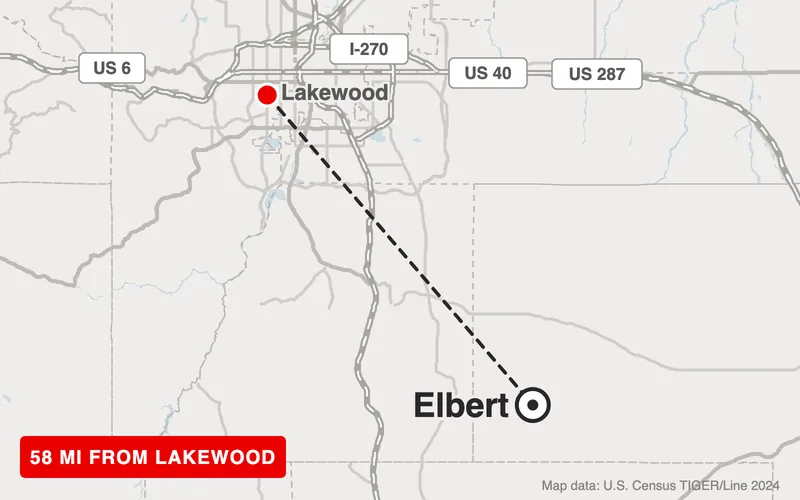
Elbert's position on the high plains east of the Palmer Divide puts it squarely in the path of Colorado's most volatile weather patterns. Arctic fronts drop temperatures 40 degrees overnight with little warning, and the intense high-altitude sun — Elbert sits well above sea level — means concrete surfaces absorb UV radiation that degrades sealers and surface coatings faster than at lower elevations. That rapid temperature swing is concrete's enemy: water trapped in surface pores expands when it freezes, and that expansion pries open cracks with each cycle.
Magnesium chloride, the de-icer Colorado counties apply heavily to roads, travels home on tires and boots. It's more damaging to concrete than rock salt, accelerating the chemical breakdown of the cement paste matrix. Driveways and garage aprons that never get sealed end up pitted and spalled within a few winters of regular exposure. Our sealing systems create a protective barrier that blocks chloride intrusion and dramatically slows the freeze-thaw damage cycle.
For properties on the plains where wind exposure is constant, concrete also dries out faster after placement and during low-humidity winters. Surface dusting and delamination often trace back to either original placement conditions or years of moisture cycling without a protective sealer. Addressing those surfaces now — through resurfacing, sealing, or coating — prevents deeper structural work later.
Repair-First Approach for El Paso County Driveways and Slabs
When Concrete Doctor evaluates a property in Elbert, our first question is always whether the concrete is structurally sound enough to repair. A driveway that looks rough — honeycombed surface, narrow cracks, minor panel separation — is often a strong candidate for resurfacing rather than demolition and pour. We document what we find, explain the options clearly, and give honest guidance about the long-term outcome of each path. If replacement genuinely makes more sense, we'll say so.
For slabs experiencing movement due to El Paso County's clay soils, we look at crack width, pattern, and any differential settlement between panels. Cracks that follow a consistent pattern often indicate soil movement rather than overloading, and those can frequently be stabilized and sealed with elastic polyurethane joint filler that accommodates ongoing minor movement without re-cracking. This approach is particularly valuable on rural properties where replacing a 50-foot driveway would run to significant cost.
Our repair-first stance reflects 30-plus years of Colorado work. We've seen contractors recommend full replacement on slabs we repaired successfully, and we've also told clients when a slab genuinely needed to come out. That honesty, backed by practical experience with Front Range concrete, is why Elbert-area homeowners trust us with their most durable investments.
Epoxy and Protective Coatings for Elbert Garages and Shops
Detached garages, agricultural-style shops, and oversized bays are common on Elbert's larger rural lots. These floors take a beating — vehicles tracking in gravel and grit, equipment, seasonal storage — and raw concrete in that environment deteriorates quickly. A properly applied epoxy or polyaspartic floor coating changes the equation: the floor becomes easy to clean, resistant to chemical stains, and far more durable against abrasion than bare concrete.
We work with Westcoat coating systems, which are engineered for Colorado's temperature extremes. Polyaspartic topcoats, in particular, cure quickly and hold up to UV exposure better than traditional epoxies, making them a smart choice for garage floors in Elbert's high-altitude environment where sun angles and UV intensity are higher than at lower Front Range elevations. For shops and larger slabs, we offer quartz broadcast systems that deliver both durability and a professional appearance.
The coating application process starts with mechanical surface preparation — grinding or shot-blasting to open the concrete pores for proper adhesion. Any cracks or spalled areas are repaired before coating, so the finished floor isn't just covering over problems. That preparation step is where many DIY and cut-rate installations fail; we don't skip it.